
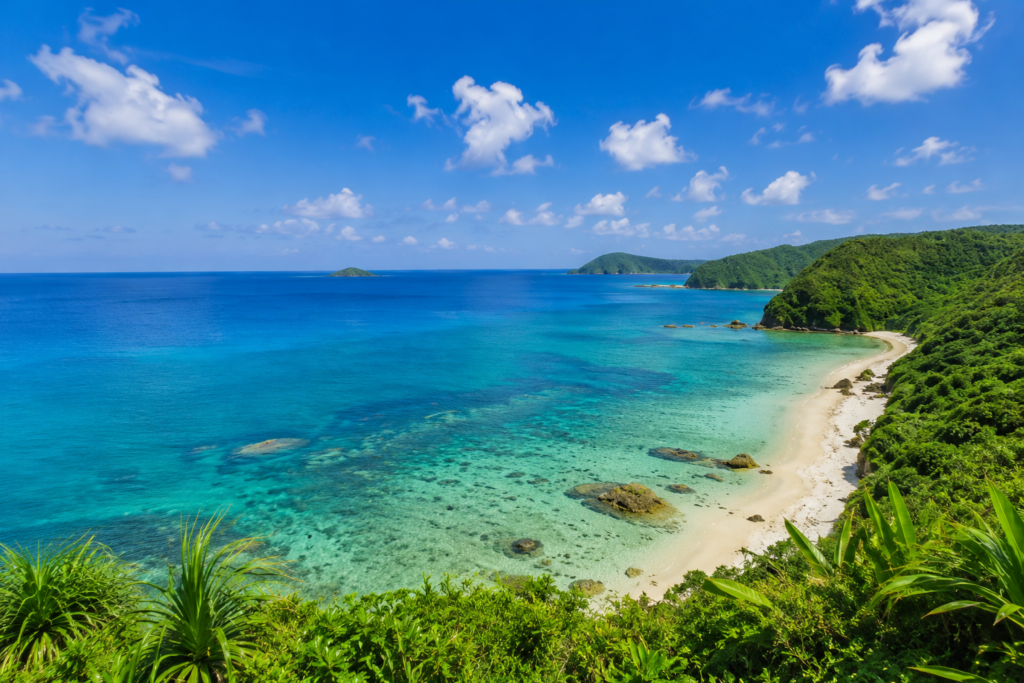
チームの結束力を高めたい、日常の職場では生まれにくい発想を引き出したい——そんな企業や団体のニーズに応えるのが、沖縄本島北部・やんばるの名護市にある貸別荘ヴィラMANANI(マナニ)でのリトリート合宿です。この記事では、やんばる・名護市でリトリート合宿を開催するメリットと、MANANIならではの活用方法をご紹介します。
なぜ今「リトリート合宿」が注目されているのか
働き方が多様化する中で、オフィスに集まるだけの研修や会議に限界を感じる企業が増えています。そこで注目されているのが、環境そのものを変えることでチームの意識や対話の質を高める「リトリート合宿」というスタイルです。自然の中に身を置き、日常の役割や肩書きから少し距離を置くことで、普段は出てこない本音の意見や新しいアイデアが生まれやすくなるといわれています。
開催地に沖縄・やんばるを選ぶメリット
やんばるは2021年に世界自然遺産に登録された、豊かな亜熱帯の森が広がるエリアです。深い緑と静かな時間の流れは、参加者の心をゆるめ、思考をリセットする効果があります。また、沖縄という土地が持つ独特のおおらかな空気感も、堅苦しい雰囲気になりがちな合宿を、リラックスした対話の場に変えてくれます。
名護市というロケーションの魅力
名護市は、やんばるエリアの中でも比較的アクセスがよく、那覇空港からも移動しやすい立地です。市内には食事や買い物に困らない環境が整っている一方、少し足を延ばせば深いやんばるの自然にも出会えるという、合宿地として理想的なバランスを備えています。
MANANIの一棟貸し空間を合宿に活用する
MANANIは一棟貸しの貸別荘のため、周囲の宿泊者を気にすることなく、広々としたリビングやウッドデッキを自由に使うことができます。ミーティングスペースとしても、リラックスした懇親の場としても活用できるため、合宿の目的やプログラムに合わせて柔軟にレイアウトを変えることができます。
合宿プログラムの組み立て方
リトリート合宿では、ただ議論をするだけでなく、朝のヨガや散策、夜の懇親会など、心身をゆるめる時間をプログラムに組み込むことが効果的です。緊張と弛緩のバランスを意識したスケジュールを組むことで、参加者はより深いレベルでの対話に入っていくことができます。
モデルスケジュール(1泊2日)
初日は午後に到着し、まずは軽いアイスブレイクとオリエンテーションからスタートします。夕方からはメインとなるワークショップやディスカッションを行い、夜は沖縄の食材を使った食事を囲みながら懇親を深めます。二日目の朝は、やんばるの空気を感じながらのウォーキングやヨガで一日を始め、午前中に合宿の振り返りとまとめを行うという流れがおすすめです。
チームビルディングに与える効果
自然の中で共に過ごした時間は、オフィスに戻った後もチームの記憶として残り続けます。役職や立場を超えたフラットな対話の経験は、日常業務におけるコミュニケーションの質にも良い影響を与えるといわれています。
少人数から中規模まで対応できる柔軟性
MANANIは、数名の少人数チームから、ある程度の人数規模のグループまで、利用人数に応じて空間を活用いただけます。プロジェクトチームの合宿から、部署単位でのオフサイトミーティングまで、幅広い規模の合宿に対応可能です。
沖縄の食を合宿に取り入れる
合宿中の食事に地元の食材を取り入れることも、非日常感を演出する良いきっかけになります。沖縄ならではの野菜や魚介を使った食事は、参加者にとって旅の記憶と合宿の内容を結びつける役割も果たしてくれます。
海外拠点のチームやインターナショナルなメンバーにもおすすめ
グローバルに事業を展開する企業や、海外メンバーを含むチームにとっても、やんばるという世界自然遺産のロケーションは特別な体験になります。MANANIでは、海外からの参加者にも配慮した滞在環境を整えており、多国籍なチームの合宿にも対応しています。
よくあるご質問
「何名まで利用できますか」というご質問には、お部屋数や滞在スタイルに応じてご案内しています。「Wi-Fi環境はありますか」という点についても、ミーティングやオンライン参加者との接続に配慮した環境を整えています。「日帰りでの利用は可能ですか」という質問についても、目的に応じてご相談いただけます。
合宿の目的別プログラム設計
リトリート合宿を成功させるためには、まず目的を明確にすることが大切です。新規事業のアイデア出しなのか、チームの関係性づくりなのか、あるいは中期計画の策定なのかによって、必要なプログラムは大きく変わります。目的が曖昧なまま合宿を行うと、時間だけが過ぎてしまうこともあります。
目的が定まったら、それに合わせて時間配分を設計します。アイデア出しが目的であれば自然の中での散策やペアワークを多めに、計画策定が目的であれば集中して議論できる時間をまとまって確保するなど、内容に応じた構成が効果的です。
参加人数ごとの進め方の違い
少人数の合宿では、全員が発言できる環境をつくりやすく、深い対話が生まれやすいという特徴があります。一方で人数が増えると、全体での議論だけでなく、小グループに分かれてのワークを組み合わせることが効果的になります。
MANANIの一棟貸し空間は、全体で集まる時間と、小グループや個人で過ごす時間を柔軟に切り替えられる点が魅力です。リビングで全体会を行い、ウッドデッキや庭で小グループの対話を行うといった使い分けも可能です。
事前準備とスケジュールの立て方
合宿の準備では、当日のスケジュールだけでなく、事前の情報共有も重要です。参加者に目的や進行の流れをあらかじめ伝えておくことで、当日の立ち上がりがスムーズになり、限られた時間を有効に使うことができます。
スケジュールは、詰め込みすぎないことがポイントです。移動や食事、休憩の時間を十分に確保し、余白を残しておくことで、予定外の対話や気づきが生まれる余地が生まれます。
沖縄ならではのアクティビティを取り入れる
合宿の中に、その土地ならではの体験を取り入れることで、参加者の記憶に残る時間になります。やんばるの森でのトレッキングや、海辺での朝の散歩、地元の食材を使った食事づくりなど、沖縄でしかできない体験は数多くあります。
こうした体験は、単なるレクリエーションにとどまりません。同じ景色を見て、同じ時間を共有することが、チームの共通体験となり、その後の関係性にも良い影響を与えていきます。
合宿費用の考え方
合宿の費用は、宿泊費だけでなく、移動費や食事、アクティビティの費用も含めて考える必要があります。一棟貸しの施設を利用する場合、人数によっては一人あたりの費用を抑えられることもあります。
大切なのは、費用に対してどのような成果を期待するかを明確にしておくことです。合宿は単なる出費ではなく、組織づくりへの投資として捉えることで、実施の意義もはっきりしてきます。
移動と宿泊の手配について
沖縄での合宿では、那覇空港からの移動手段の確保が重要になります。参加人数に応じてレンタカーを複数台手配するか、送迎サービスを利用するかを事前に検討しておくとよいでしょう。
名護市までは那覇空港から車でおよそ1時間半前後が目安です。移動時間も含めたスケジュールを組むことで、当日の進行に無理がなくなり、参加者の負担も軽減されます。
合宿の効果を測定する方法
合宿の効果は、感覚的な満足度だけでなく、具体的な指標で振り返ることも大切です。合宿で決めたアクションが実際に進んでいるか、参加者の意識に変化があったかなど、後日の確認が効果を定着させます。
合宿の最後に、参加者それぞれが持ち帰るアクションを言語化する時間を設けることをおすすめします。この一手間が、合宿を「良い体験」だけで終わらせず、成果につなげる鍵となります。
定期開催という選択肢
一度きりの合宿ではなく、半年ごとや年に一度など、定期的に開催することで、チームの変化を継続的に確認することができます。前回の振り返りから始めることで、議論も深まりやすくなります。
同じ場所で定期的に開催することには、環境に慣れることで本題に入りやすくなるという利点もあります。やんばるの自然の中で季節の移ろいを感じながら、チームの成長を重ねていくのも一つの形です。
自然環境が人の関係性に与える影響
自然の中で過ごすと、人は自然と肩の力が抜け、率直な言葉が出やすくなるといわれています。会議室で向かい合って座るのとは異なり、並んで歩きながら話すことで、上下関係を意識しない対話が生まれます。
やんばるの森や海辺は、そうした「並んで話す」時間をつくるのに適した環境です。合宿の中に歩く時間を組み込むだけでも、チームの空気は大きく変わっていきます。
よくある失敗と対策
合宿でよくある失敗は、議論の時間を詰め込みすぎて参加者が疲弊してしまうことです。移動の疲れもある中で長時間の議論を続けると、集中力が落ち、発言の質も下がってしまいます。
対策としては、一つのセッションを長くても90分程度に区切り、間に休憩や軽い運動を挟むことです。やんばるの環境であれば、休憩時間に外の空気を吸うだけでも十分にリフレッシュすることができます。
合宿とワーケーションを組み合わせる
合宿の前後に個人での滞在期間を設ける企業も増えています。合宿本体は一泊二日で行い、その前後に希望者がワーケーションとして数日間滞在するという形です。移動コストを有効に活用でき、参加者にとっても満足度の高い企画になります。
やんばるは、仕事に集中できる静かな環境と、休日に楽しめる豊かな自然が揃っています。仕事と休息を切り替えながら過ごすことで、合宿で得た気づきをじっくり整理する時間も生まれます。
ご家族同伴という選択肢
働き方が多様化する中で、合宿に家族を同伴できる形を取り入れる企業も出てきています。参加者が安心して合宿に集中できる環境をつくることは、結果として組織全体の満足度にもつながります。
一棟貸しのMANANIは、ご家族での滞在にも適した空間です。合宿の日程と前後の家族旅行を組み合わせるなど、柔軟な使い方をご検討いただけます。
合宿当日の運営を円滑にするコツ
当日の進行では、時間管理を担当する役割をあらかじめ決めておくとスムーズです。議論が盛り上がると時間を超過しやすいため、全体を俯瞰する人がいることで、無理のない進行が可能になります。
また、議論の内容をその場で記録し、参加者全員が見える形で共有することも効果的です。ホワイトボードや模造紙を活用すれば、議論の流れが可視化され、認識のずれを防ぐことができます。
主催者が押さえておきたい心構え
合宿の主催者に求められるのは、完璧な進行ではなく、参加者が安心して発言できる場をつくることです。沈黙を恐れず、参加者が考える時間を尊重する姿勢が、深い対話を引き出します。
やんばるという環境は、そうした余白のある進行を後押ししてくれます。自然に囲まれた場所では、沈黙さえも心地よい時間として受け入れられるからです。
季節ごとの合宿開催のポイント
やんばるでの合宿は、季節によって過ごし方が変わります。春から初夏にかけては気候が穏やかで、屋外でのワークやウォーキングを取り入れやすい季節です。夏は日中の暑さを避け、早朝や夕方に屋外プログラムを設定するとよいでしょう。
秋から冬にかけては観光の繁忙期を外せるため、移動や宿泊の手配がしやすくなります。落ち着いた環境でじっくりと議論をしたい場合には、この時期の開催もおすすめです。
合宿を組織文化に根づかせる
合宿を一過性のイベントで終わらせないためには、そこで交わされた言葉や決定事項を、日常の業務プロセスに接続していくことが欠かせません。合宿で共有された価値観を、日々の会議や評価の場面で繰り返し確認していくことが大切です。
やんばるでの体験は、参加者にとって強く印象に残るものです。その記憶を組織の共通言語として活用することで、合宿は文化づくりの起点として機能していきます。
自然の力を借りたリトリート合宿を検討している企業様やチームの皆様は、ぜひ沖縄・やんばるの名護市にあるMANANIをご検討ください。
English
Companies seeking to strengthen team cohesion and draw out ideas that rarely emerge in the everyday office are turning to retreat camps at MANANI, a private villa in Nago City in Yanbaru, northern Okinawa. This article introduces the benefits of holding a retreat camp in Yanbaru and Nago City, along with unique ways to make use of MANANI.
Why “Retreat Camps” Are Gaining Attention Now
As work styles diversify, more companies are finding the limits of training and meetings held only in the office. This has drawn attention to “retreat camps,” a style that changes the environment itself to elevate the quality of team awareness and dialogue. Immersing participants in nature and creating distance from everyday roles is said to make it easier for honest opinions and new ideas to surface.
The Benefits of Choosing Okinawa’s Yanbaru
Yanbaru, registered as a World Natural Heritage Site in 2021, is home to a rich subtropical forest. Its deep greenery and unhurried pace of time have a calming effect on participants’ minds and help reset their thinking. Okinawa’s distinctively easygoing atmosphere also transforms what might otherwise be a stiff camp into a relaxed space for dialogue.
The Appeal of Nago City as a Location
Nago City offers relatively convenient access within the Yanbaru area and is easy to reach from Naha Airport. While the city itself has everything needed for dining and shopping, venturing a little further brings you into Yanbaru’s deep nature, an ideal balance for a retreat camp location.
Using MANANI’s Whole-Villa Space for Your Camp
As a whole-villa rental, MANANI lets you freely use its spacious living area and wooden deck without concern for other guests. The space can serve as a meeting area or a relaxed venue for socializing, adapting flexibly to the purpose and program of your camp.
Designing a Retreat Camp Program
Rather than simply holding discussions, it’s effective to build in time for relaxing the mind and body, such as morning yoga, walks, or an evening social gathering. A schedule balanced between tension and release helps participants engage in deeper levels of dialogue.
A Sample One-Night, Two-Day Schedule
On the first day, arrive in the afternoon and start with a light icebreaker and orientation. In the evening, hold your main workshop or discussion, followed by a dinner featuring Okinawan ingredients. On the second morning, begin the day with a walk or yoga session in the Yanbaru air, then wrap up with a review of the camp.
The Effect on Team Building
Time spent together in nature stays with the team as a shared memory even after returning to the office. Experiencing flat, open dialogue beyond titles and positions is said to positively influence the quality of everyday workplace communication.
Flexible for Small to Mid-Sized Groups
MANANI can be used by small teams of just a few people up to mid-sized groups, adapting its space to the number of participants, from a small project team’s camp to a department-wide offsite meeting.
Incorporating Okinawan Food into Your Camp
Including local ingredients in camp meals is a great way to create a sense of the extraordinary. Meals featuring Okinawan vegetables and seafood also help participants connect the memory of the trip with the content of the camp.
Recommended for International Teams as Well
For globally operating companies or teams that include international members, the World Natural Heritage location of Yanbaru offers a truly special experience. MANANI has prepared its stay environment with consideration for overseas participants.
Frequently Asked Questions
“How many people can it accommodate?” This depends on the number of rooms and stay style. “Is Wi-Fi available?” Yes, suited for meetings and online participants. “Can it be used for a day trip?” This can be arranged depending on your purpose.
Designing a Program Around Your Purpose
The first step to a successful retreat camp is clarifying your purpose. Whether you’re generating ideas for a new business, building team relationships, or drafting a medium-term plan, the program required differs greatly. Running a camp without a clear purpose often means time simply passes.
Once the purpose is set, design your time allocation around it. For idea generation, weight the schedule toward walks in nature and pair work; for planning, secure longer blocks of focused discussion.
How Group Size Changes the Approach
Small camps make it easier for everyone to speak, which tends to produce deeper dialogue. As numbers grow, combining full-group discussion with breakout work in smaller groups becomes more effective.
MANANI’s whole-villa space makes it easy to switch between time together and time in small groups or alone. Hold plenary sessions in the living room and small-group conversations on the deck or in the garden.
Preparation and Building the Schedule
Preparation involves more than the day’s schedule; sharing information in advance matters too. Telling participants the purpose and flow beforehand makes the start smoother and lets you use limited time well.
The key to scheduling is not overpacking. Allow ample time for travel, meals, and breaks, leaving space for unplanned conversations and insights to emerge.
Incorporating Activities Unique to Okinawa
Including experiences unique to the region makes the camp memorable. Trekking in the Yanbaru forest, a morning walk by the sea, or cooking with local ingredients are all things you can only do in Okinawa.
These experiences are more than recreation. Seeing the same scenery and sharing the same hours becomes a shared team memory that positively shapes relationships afterward.
Thinking About Camp Costs
Costs include not only accommodation but travel, meals, and activities. With a whole-villa facility, the per-person cost can sometimes be reduced depending on group size.
What matters most is clarifying what outcomes you expect for the cost. Viewing a camp as an investment in building your organization, rather than a simple expense, clarifies its value.
Arranging Travel and Accommodation
For a camp in Okinawa, securing transport from Naha Airport is important. Consider in advance whether to arrange multiple rental cars or use a shuttle service based on your group size.
Nago City is roughly an hour and a half from Naha Airport by car. Building travel time into your schedule keeps the day running smoothly and reduces strain on participants.
Measuring the Impact of Your Camp
Impact should be reviewed with concrete indicators, not just a general sense of satisfaction. Checking later whether agreed actions are progressing and whether participants’ mindsets shifted helps the effects take hold.
We recommend setting aside time at the end for each participant to put their takeaway actions into words. This small step is the key to turning a good experience into real results.
Holding Camps Regularly
Rather than a one-off, holding camps every six months or once a year lets you track team change over time. Starting with a review of the previous session also deepens discussion.
Returning to the same venue has its own advantage: familiarity with the space makes it easier to get straight to the substance. Building team growth while feeling the seasons shift in Yanbaru is one appealing approach.
How Natural Settings Shape Relationships
Time in nature tends to loosen people up and make candid words easier to say. Unlike sitting face to face in a meeting room, talking while walking side by side produces dialogue less bound by hierarchy.
Yanbaru’s forests and shoreline are ideal for creating that kind of side-by-side time. Simply building walking time into your camp can noticeably change the team’s atmosphere.
Common Pitfalls and How to Avoid Them
A frequent mistake is packing in so much discussion that participants become exhausted. Long sessions on top of travel fatigue reduce focus and lower the quality of contributions.
The remedy is to cap sessions at around ninety minutes and insert breaks or light movement between them. In Yanbaru, simply stepping outside for fresh air during a break is refreshing enough.
Combining a Camp with a Workation
More companies are adding personal stay periods before or after the camp. The camp itself runs for a night or two, while those who wish can stay several extra days as a workation. This makes good use of travel costs and raises participant satisfaction.
Yanbaru offers both a quiet environment for focused work and rich nature to enjoy on days off. Alternating between work and rest also creates time to properly digest insights from the camp.
Bringing Family Along
As working styles diversify, some companies now allow participants to bring family members. Creating conditions where participants can focus on the camp with peace of mind ultimately raises satisfaction across the organization.
The whole-villa MANANI suits family stays as well, so you might combine the camp dates with a family trip immediately before or after.
Running the Day Smoothly
Assigning someone to manage time in advance keeps the day on track. Discussions easily run over when they get lively, so having a person watching the whole picture allows for a comfortable pace.
Recording discussion points on the spot and sharing them visibly with everyone is also effective. Using a whiteboard or large paper makes the flow of discussion visible and prevents misunderstandings.
The Mindset for Facilitators
What a camp organizer needs is not flawless facilitation but a space where participants feel safe to speak. Not fearing silence and respecting participants’ thinking time is what draws out deeper dialogue.
The Yanbaru environment supports that kind of unhurried facilitation, because in a place surrounded by nature, even silence is received as comfortable time.
Seasonal Considerations for Your Camp
How a camp unfolds in Yanbaru shifts with the seasons. Spring through early summer brings mild weather that makes outdoor work and walking easy to include. In summer, it’s best to schedule outdoor programs for early morning or evening to avoid midday heat.
Autumn through winter falls outside peak tourist season, making travel and accommodation easier to arrange. For groups wanting to discuss matters thoroughly in a calm setting, this period works well.
Embedding the Camp in Your Culture
To keep a camp from becoming a one-off event, the words exchanged and decisions made there must connect to everyday work processes. Revisiting the shared values from the camp in regular meetings and reviews is essential.
The Yanbaru experience leaves a strong impression on participants. Using that shared memory as common organizational language turns the camp into a starting point for culture building.
If your company or team is considering a retreat camp powered by nature, we invite you to consider MANANI in Nago City, Yanbaru, Okinawa.